Published 25th December 2025
LUANG PRABANG, Laos: For Ms Vone Liosakoun, her first taste of local cinema came in 2010. Sitting beneath the open sky at Luang Prabang’s first film festival, she watched Sabaidee Luang Prabang (2008), a local romance drama film directed by Mr Sakchai Deenan.
That screening was more than just a movie night. The launch of the Luang Prabang Film Festival in 2010 marked a significant milestone for Laos, a country with almost no modern cinema halls at that time. Most Laotians outside of its capital, Vientiane, had never experienced a film on the big screen, let alone one made in or about their own country.
Like most of her peers, Ms Liosakoun mostly watched foreign imports growing up. The most common were Thai, Chinese, Indian, and Japanese. The closest alternatives that they had were news about Laos and adopted films on TV.
Ms Liosakoun recalls that she went for the screening because she “found it exciting”. She had heard the actress was Lao and the actor was half-Lao, half-Australian. But what thrilled her most was seeing familiar streets and landscapes from Luang Prabang lit up on the big screen.
Sabaidee Luang Prabang featured familiar roads that she walked, spoken in a tongue she too could speak. For the first time, the everyday world she lived in was seen through a cinematic lens thanks to Mr Deenan.
Even after a decade, Ms Liosakoun remembers: “I felt very proud of my hometown.”
A Childhood Without Cinemas
Many Laotians of Ms Liosakoun’s generation share a similar experience, having grown up without any local films or cinemas. Sabaidee Luang Prabang, released in 2008, was the very first commercial film shot locally since the country adopted communism in 1975. Lao films that existed prior to it were mainly state-sponsored, patriotic pieces. Hence, its release was a major turning point.
However, cinema itself was still difficult to access back then. The first modern cinema in Laos, Major Platinum Cineplex, only opened in 2012 in Vientiane. As of 2025, Laos has a grand total of four operating cinemas: three in Vientiane and one in Pakse.
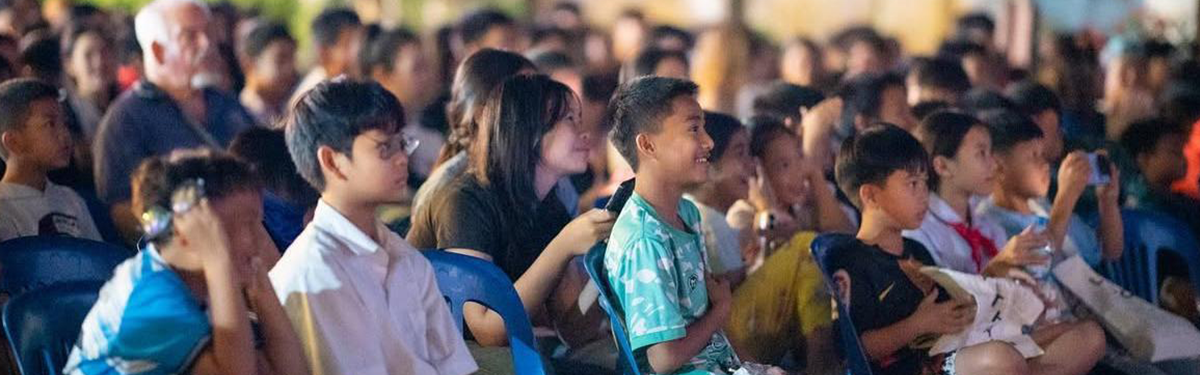
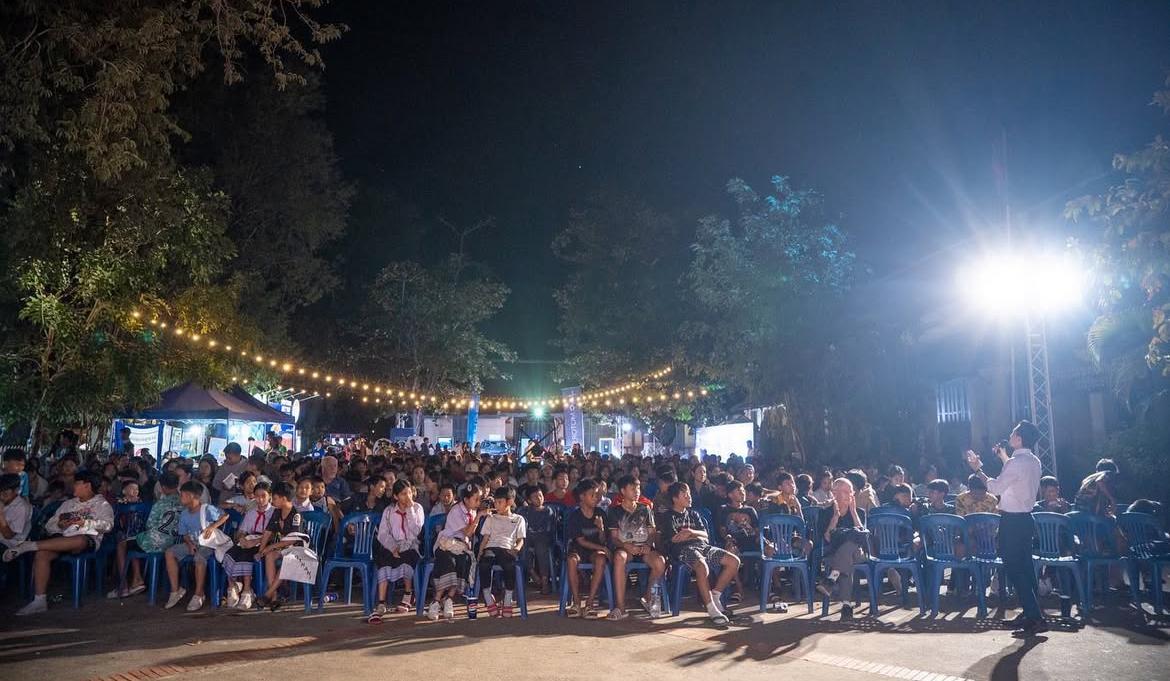
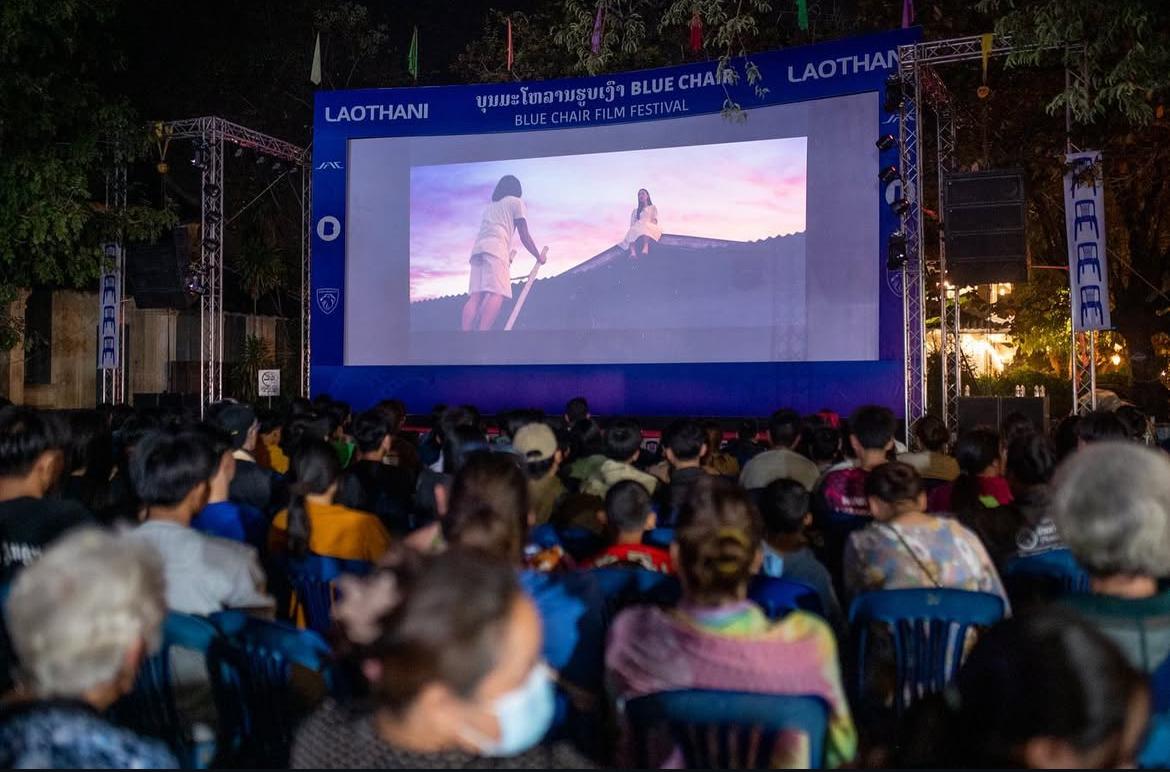
Hence, the very first edition of the Film Festival in 2010 was where most locals, like Ms Liosakoun, first saw a film on a big screen. Since then, Laotians from neighbouring provinces have travelled to gather at the screenings nearly every December—it ran annually from 2010 to 2017 and has been held every two years since 2020, and was rebranded as the Blue Chair Film Festival (BCFF) in 2022.
From Between the Seats to Behind the Scenes
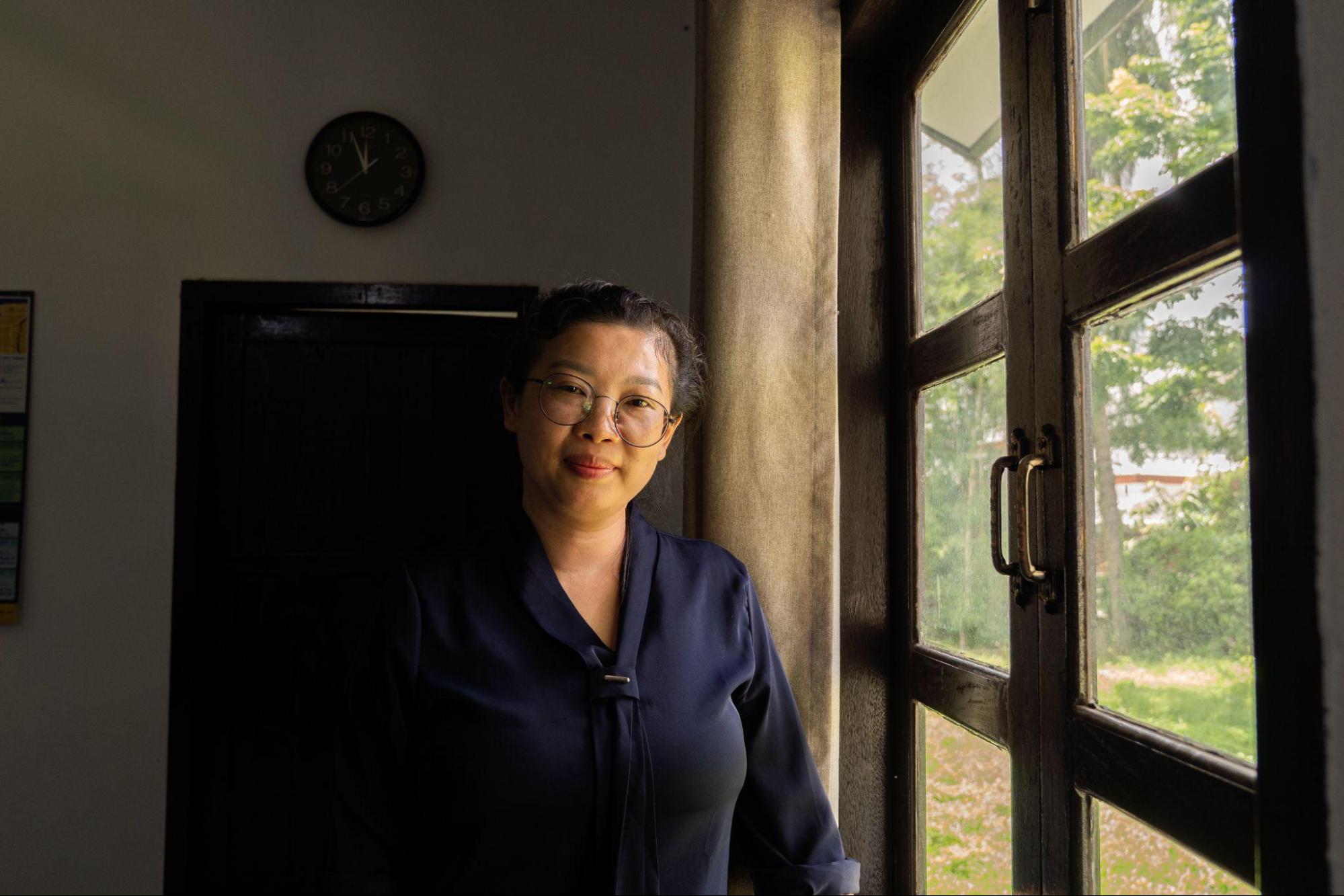
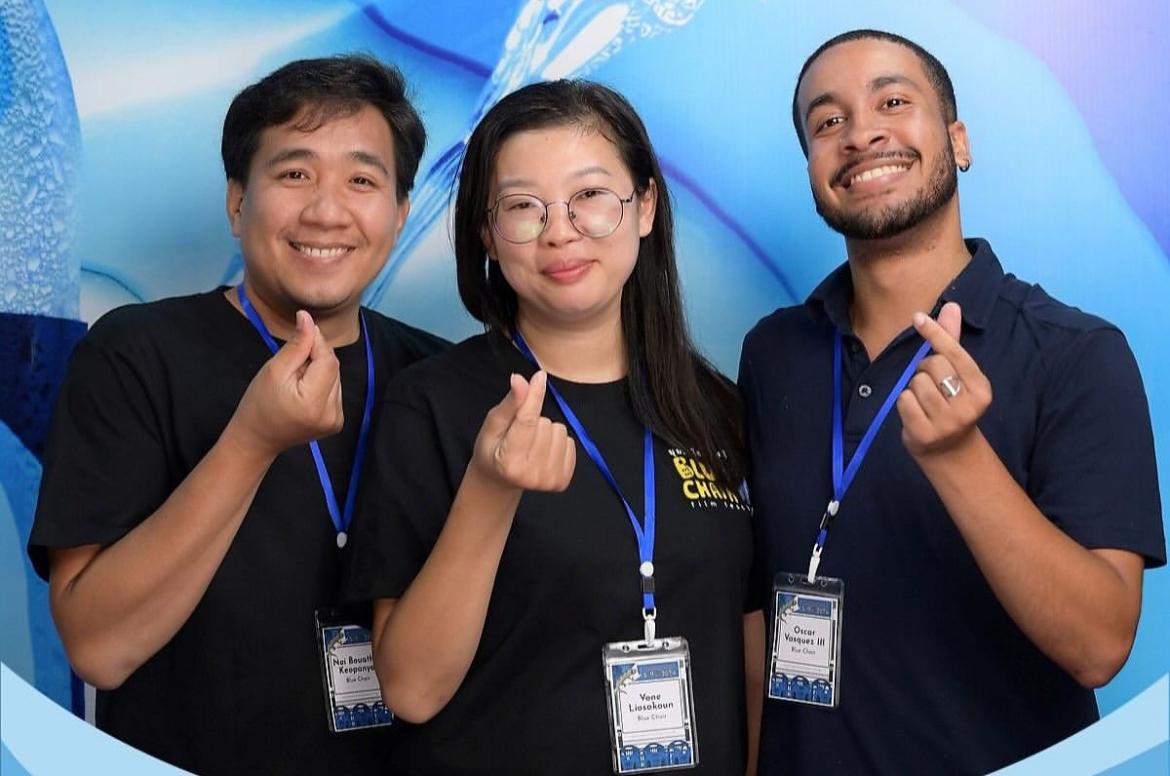
A decade later, Ms Liosakoun is no longer just in the audience, but part of the Blue Chair team that brings BCFF to life. She remembers sitting there back in 2010, thinking, “Wow, this is amazing. This must be a lot of work.” Now, working as the Program Manager at Blue Chair, she knows exactly how much effort goes on behind the scenes.
Having worked at a travel agency previously, she finds that it’s a significantly bigger operation here, “because you don't get to see the results in one day.”
A Long and Winding Road
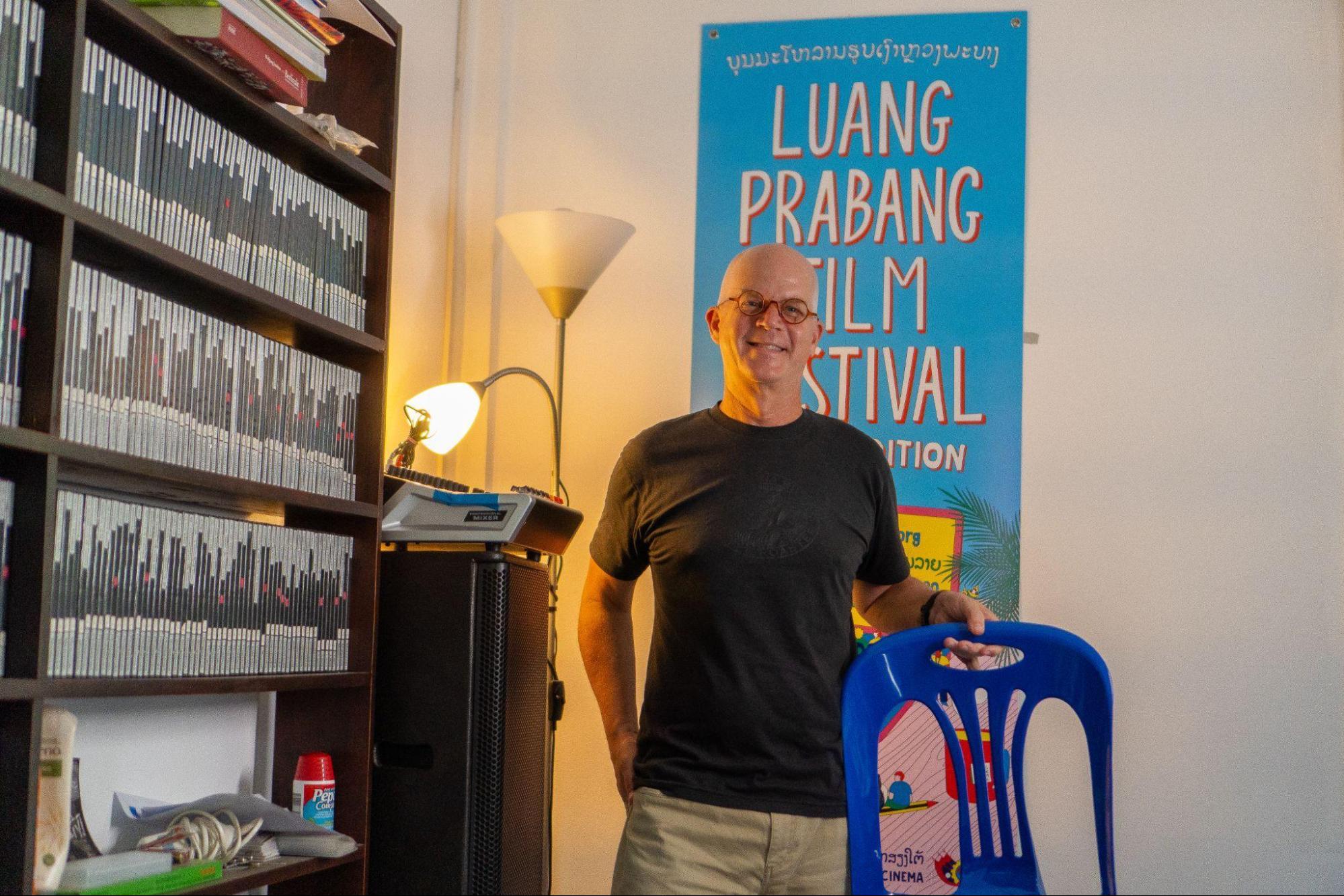
Understanding her sentiments all too well is Mr Sean Chadwell, who has been the Executive Director at Blue Chair since 2019.
“There’s a lot of great Lao work that’s languishing,” he says.
The reality of filmmaking in Laos remains riddled with obstacles.
Firstly, there is no film school in Laos and only a handful of seasoned mentors to learn from. As a result, aspiring filmmakers must have the will and the means to study abroad and then return home to make films of their own.
Then, the issue of insurance; it's difficult for Lao film productions to be insured for their sets and during their productions, which is a serious concern for any major film.
But the biggest struggle happens after production is over. If the film is good, it would make its way to a theatrical release in Vientiane for a few weeks. If it's really good, it would be in Pak Se for a week or two. By rule of thumb, the film screens at the festival the following December. But what happens after that?
“It gets stored on a disk somewhere.”
And Still Some Choose to Stay
Against all odds, a small but determined group of filmmakers in Laos continue to create.
When we spoke, Mr Chadwell shared that a new production was already underway. The shoot typically starts at 6 pm as most of these people have day jobs, of which most are film-related—many worked on commercials and productions for Non-Governmental Organisations (NGOs) and embassies.
“They're making their money in other ways,” Mr Chadwell says, "and then they're scraping together what resources they can to make a Lao film.”
Hustling in a Passion Economy
In The Signal (2023) by Mr Lee Phongsavanh, one might notice a myriad of sponsor logos at the end of the movie. This gives a glimpse into how Lao filmmakers get their projects off the ground.
Without a strong film industry or government funding, filmmakers often resort to knocking on doors around Vientiane, asking for support from NGOs, embassies and private sponsors such as Coca-Cola and Beer Lao. The remaining budget required would then come from their own pockets.
Blue Chair steps in at times, offering small grants through its Filmmakers Fund, reviewed by an independent panel of professional filmmakers.
Tapping into Markets Beyond Borders
To keep their films alive beyond Lao’s few cinemas, many filmmakers look outward, teaming up with Thai or Cambodian producers. These partnerships bring not only funding but also open doors to regional markets, especially in Thailand, where the language is similar enough to Lao for the films to be understood and enjoyed.
Reaching overseas viewers is crucial for Lao films. In a country with so few theatres, even the most popular films struggle to amass a sizeable domestic audience.
“Being able to get films playing in places where other people might actually pay to see them, it recoups some investment,” Mr Chadwell explains.
Working With The System
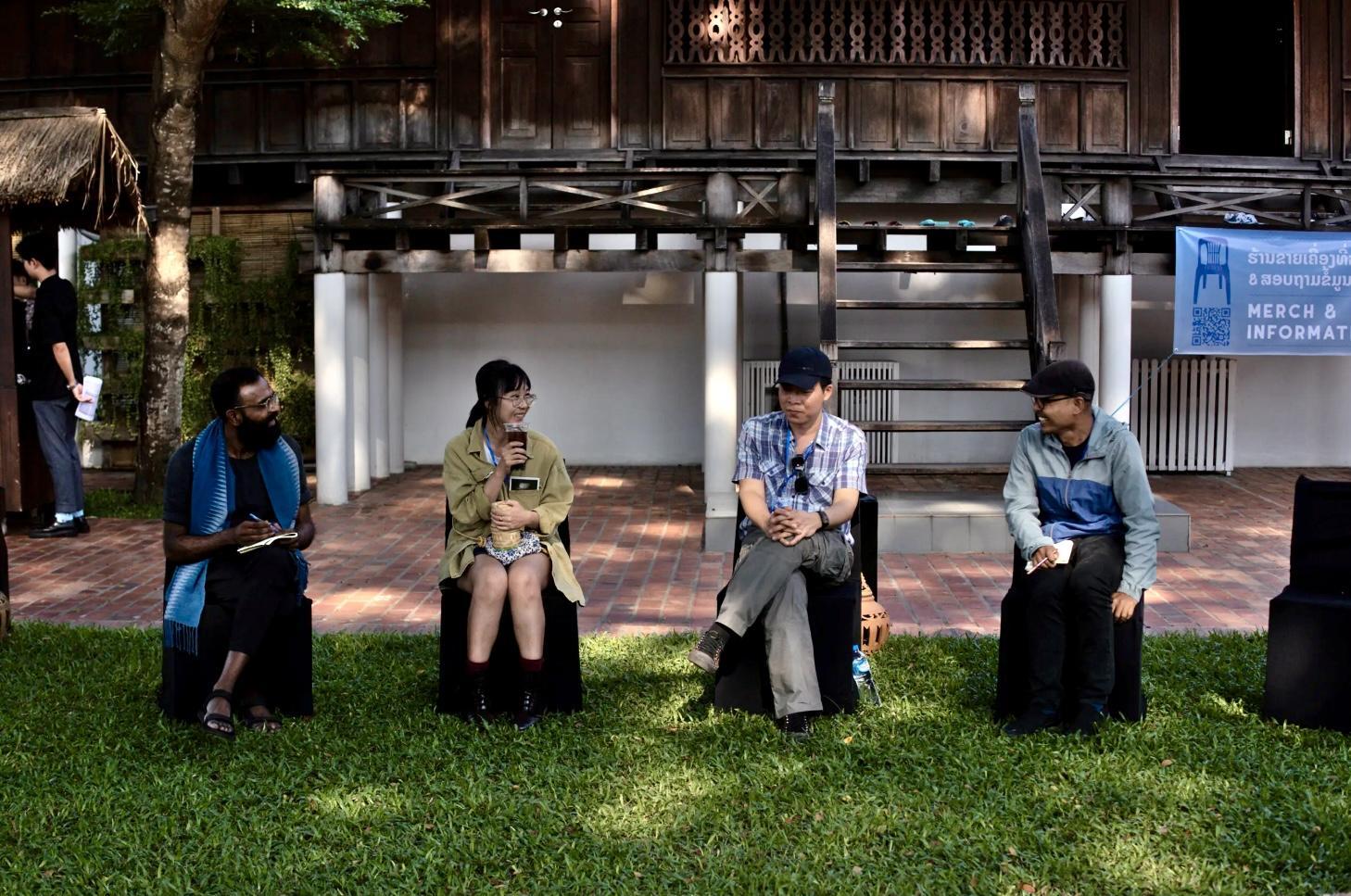
To many outsiders, government oversight might seem like the biggest obstacle for Lao filmmakers, but Mr Chadwell describes the reality to be more nuanced.
“We don't tend to use language like creative freedom,” he clarifies. “In Laos, it's a fairly politically charged language, so we don't talk about it [that way].”
Instead of post-production censorship, as some might imagine, projects are guided from start to finish. A representative from the government’s cinema department would oversee the project and give feedback on the script if needed. Director Mr Anysay Keola has also spoken openly about how this process does not hinder his creativity.
“There’s a lot more open dialogue,” Mr Chadwell says. “Filmmakers and the government do talk to one another… they [the government] are mostly concerned with what the domestic audience is watching.”
A Little Spark Goes a Long Way
As this small community perseveres, the pace of production has remained modest over the past decade. The COVID-19 pandemic brought filmmaking to a halt worldwide. As restrictions eased over the years, momentum began to pick up, and BCFF continues to screen one to two new Lao features at every festival.
Some may see it as stagnation, but Mr Chadwell sees it differently, as a fire that is still burning. He points out a quiet shift behind the scenes: the curiosity of a new generation, eager to learn.
“More young people are getting involved with film projects, wanting to learn about film and filmmaking,” he says. “For example, we meet a lot of new young people in screenwriting.”
The Magic of a Big Screen
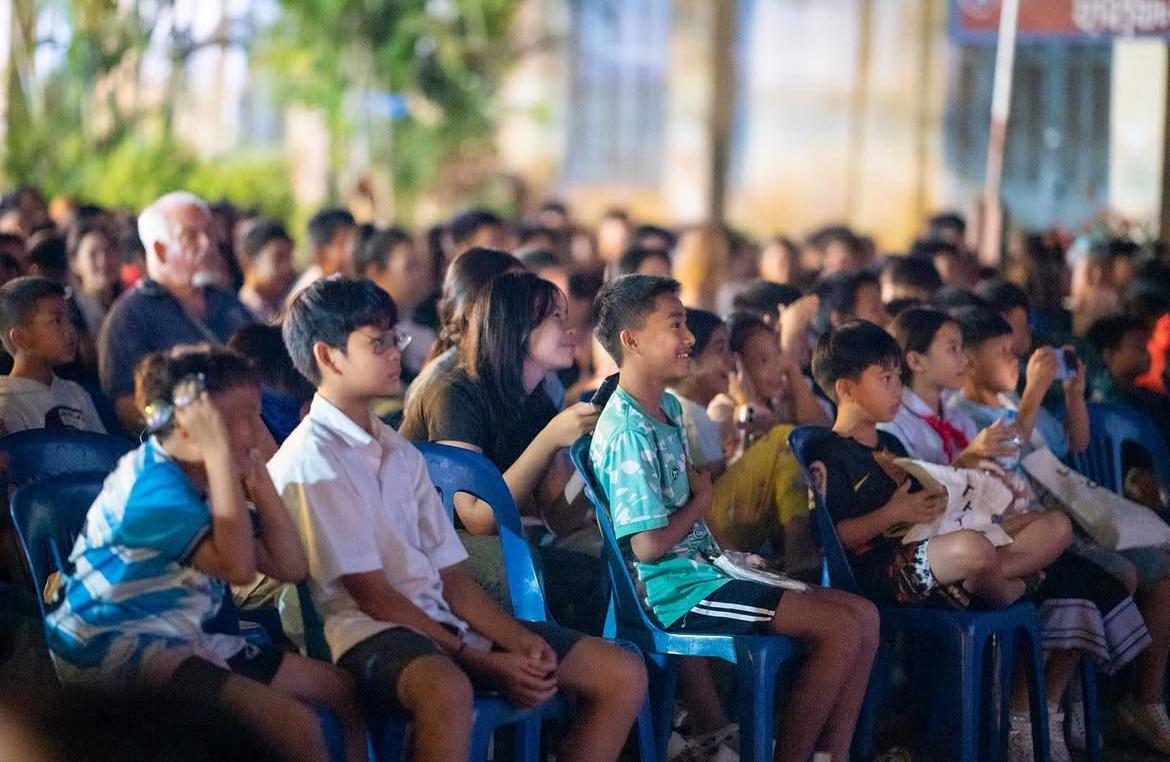
To Mr Chadwell, the renewed interest from younger people is a hopeful sign, but it’s the communal experience of watching a film together that reminds him why it all matters. He recalls the screening of the Thai horror-comedy film The Undertaker (2023) at the 2024 festival. Around a thousand people had shown up, and the crowd screamed and laughed together.
“There’s just something about the shared experience,” he says. “There’s chemistry, and a kind of sympathy for the other viewers when you also see their reactions… afterwards, you talk about the movie with other people.”
To him, this is why films are made – to be shared in a group, on a big screen.
At the Heart of It
Today, the Blue Chair Film Festival remains the only film festival in Laos. “Many times a filmmaker, Lao or foreign, will come to us and say, ‘This is a great event. Please continue doing this,’” Ms Liosakoun shares with a smile. “That’s why we keep going.”
For her, the festival isn’t just a programme. It is a worthwhile initiative to bring people together and spark joy. The film scene in Laos may be small, but it is a growing community fueled by passion, determination and the belief that their local stories deserve to be seen too.
Credits List:
WKWSCI Volunteer Programme
The Blue Chair Film Festival Organising Team
The Blue Chair Film Festival Archival Photos
Featuring
Vone Liosakoun
Sean Chadwell
Written by
Ong Ying Xuan
Produced by
Timothy Ham
Set Assistants
Chloe Low
Leena Gan
Tina Aw
Photo Editor
Chai Georgia
Special Thanks
WKWSCI Tech Team
Uncle Allan
 Wee Kim Wee School